“The single best-selling nonfiction book of the 1970s was not The Joy of Sex or even The Joy of Cooking; it was Hal Lindsey’s The Late Great Planet Earth.”[1] It was declared by the New York Times to be the “no. 1 non-fiction bestseller of the decade.”[2] Estimates put sales at more than 15 million copies before the close of the decade. Since then, it has sold nearly 30 million copies worldwide and remains in print today as evidence of Bible prophecy’s staying power even in light of its shop-worn predictions. “As Lindsey says himself, ‘The future is big business.’”[3]
1975 in Prophecy written by Herbert Armstrong in 1956 was the defining object of the religion of Herbert Armstrong: It contained prophecies of what was certain to happen in the next 20 years, based on British Israelism.
This was absolute nonsense, of course. The prophecies of Herbert Armstrong fell spectacularly flat, proving that he was a false prophet. He made numerous other prophecies at other times, all of which failed, but this was the most strident and at the central core of Armstrong’s philosophy, eschatology and religion.
“Then many false prophets will rise up and deceive many. And because lawlessness will abound, the love of many will grow cold” (Matthew 24:11-12).
Wolves, in their own environment, bring balance to nature, but when there’s a wolf in sheep’s clothing, and he’s behind the pulpit, it’s bad news because he’s only interested in fleecing the flock and then devouring the sheep.
The Apostle Peter saw it in his day, writing that “false prophets also arose among the people, just as there will be false teachers among you, who will secretly bring in destructive heresies, even denying the Master who bought them, bringing upon themselves swift destruction” (2 Pet 2:1).
In the current times, many of us can relate to the prophet Jeremiah’s words: “My heart within me is broken because of the [false] prophets; all my bones shake … because of the Lord, and because of His holy words” (23:9). God declared, “‘For both prophet and priest are profane; yes, in My house I have found their wickedness,’ says the Lord” (23:11).
If your church is not focused primarily on the Person and the work of Jesus Christ, it is not Christocentric. That means, it is not Christ focused, and remember, Jesus said the Holy Spirit will testify of Him (John 15:26), and so God’s teachers should testify of Christ too.
“As far as false prophecies go, Herbert W. Armstrong had misunderstandings related to WWII and sometimes pointed to dates that he should not have–and we do not attempt to defend his errors. To his credit, however, he asserted that he was not a prophet.“

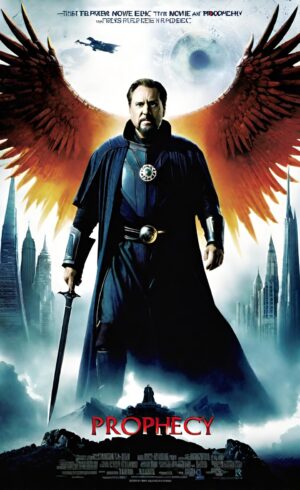

 1975 in Prophecy

 Wolves, in their own environment, bring balance to nature, but when there’s a wolf in sheep’s clothing, and he’s behind the pulpit, it’s bad news because he’s only interested in fleecing the flock and then devouring the sheep.